
Overview
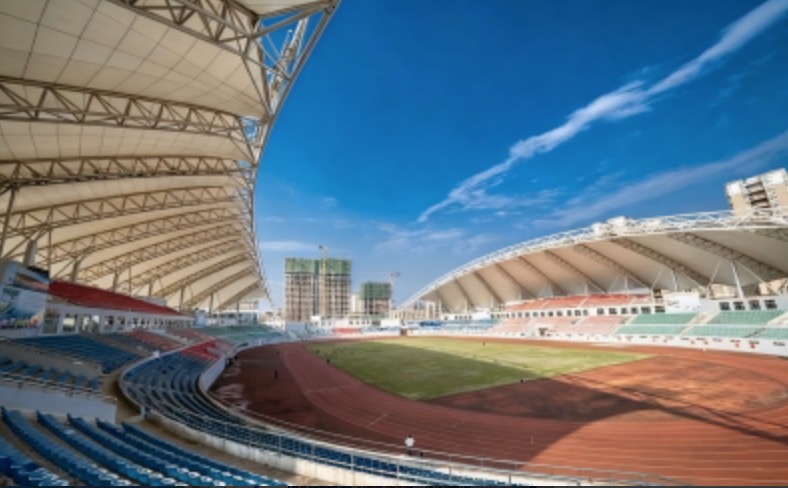
Stadiums, as large public buildings that host events, promote fitness for everyone, and hold cultural activities, have complex layouts, wildly changing crowd densities, and very different functional areas. The central air conditioning system, being a key facility, directly affects how comfortable the space is, how safe activities are, and how cost-effective operations can be. So, it needs to strike a dynamic balance between meeting the scene's needs and being energy-efficient.
Requirements
The central air conditioning system needs to tackle key challenges like high ceilings, multiple zones working together, and sudden load changes. For special areas like swimming pools and badminton halls, it’s important to boost specific adaptation capabilities: swimming pools need to maintain water temperature while dehumidifying the space, using constant-temperature dehumidifying units to prevent condensation on walls, mold, and equipment corrosion; badminton and table tennis halls need strict temperature and humidity control (usually 22-26℃ with 50%-60% relative humidity) to avoid fluctuations affecting equipment and fairness. Plus, a fresh air system with multiple filtration stages and heat recovery helps keep the air moving and clean even with large crowds while improving energy efficiency.
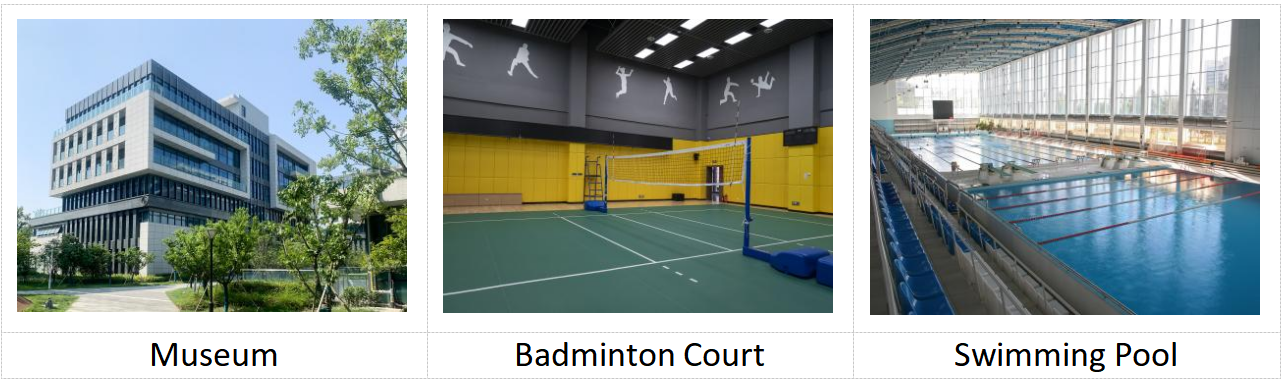
MR Solution Description
From the perspective of traditional system selection, sports venues generally feature high, spacious areas with clearly defined functional zones. Central air conditioning mostly uses a combined air handling unit and centralized chiller system architecture, while some small to medium-sized venues may pair it with air-cooled heat pump units or variable refrigerant flow (VRF) systems. For large spaces like the competition halls, layered air conditioning technology is often applied. By strategically placing air outlets, warm and cool airflows are concentrated in areas where people are active, avoiding energy waste caused by large vertical temperature differences in the space. At the same time, combined with fresh air handling units, air circulation and quality within the venue are ensured, meeting the oxygen supply and odor removal needs during periods of high attendance.
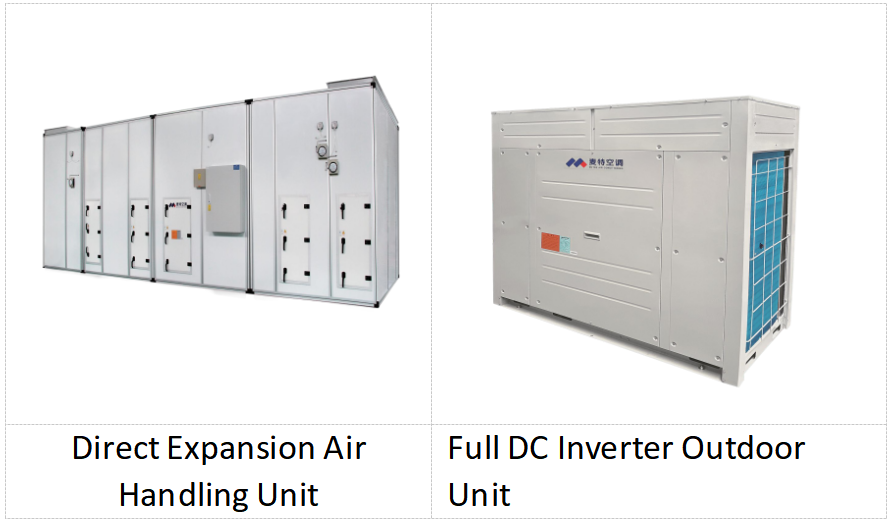
MR’s full DC inverter direct expansion unit precisely adapt to load fluctuations, balancing event needs and daily energy savings. Sports venues typically experience significant variations, with “high loads during peak events and low loads during daily training.” The DX unit, using a variable-frequency scroll compressor and multi-stage energy adjustment technology, can automatically adapt to load changes. During events, it can quickly meet the large-scale cooling and heating demands. With a high static pressure design and efficient heat exchangers, the system delivers air over long distances with even coverage, easily meeting the airflow requirements of tall spectator stands and competition areas. During daily low-load periods, units can operate independently to avoid energy waste from idle systems. In transitional seasons, full fresh air operation is supported, improving overall energy efficiency by 10%-15% compared to traditional water-based systems, and long-term operation can significantly reduce electricity costs.
Used Unit